Addiction treatment can involve different levels of care depending on a person’s needs, circumstances, and recovery goals. Two common approaches are inpatient and outpatient treatment. Inpatient addiction treatment provides a structured living environment where individuals receive care while residing at a treatment facility, while outpatient programs allow people to attend scheduled services while living at home or another supportive residence. Understanding differences in structure, daily responsibilities, treatment intensity, and continuing care can help individuals and families better understand their options.
Understanding Inpatient Addiction Treatment
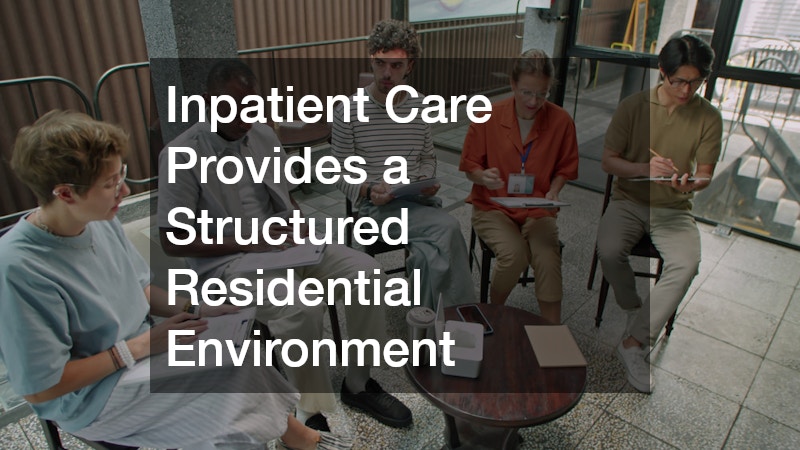
Inpatient addiction treatment involves living at a treatment facility while participating in a structured schedule of recovery services. Rather than returning home between appointments, individuals remain in a supportive environment where treatment and recovery activities are incorporated into their daily routines.
This setting can reduce exposure to outside distractions and situations that may interfere with early recovery. Depending on the program, services may include individual counseling, behavioral therapies, group sessions, peer support, educational activities, and other forms of care. Treatment can be tailored to an individual’s circumstances and recovery goals.
For some people, having access to consistent support in one location can make it easier to focus on developing recovery skills. The residential environment may also provide an opportunity to establish routines that can eventually be carried into everyday life.
Structure and Daily Support
A structured schedule can provide consistency throughout the day. Instead of having to determine how to organize each day independently, individuals can participate in planned treatment activities and other recovery-focused services.
In an inpatient setting, trained professionals and support services are available within the treatment environment. This access can provide opportunities to discuss concerns, work through challenges, and practice strategies for managing recovery. A predictable routine can also help individuals dedicate time to treatment while temporarily stepping away from some everyday responsibilities.
Understanding Outpatient Addiction Treatment
Outpatient addiction treatment provides professional recovery services without requiring individuals to live at a treatment facility. Participants attend scheduled appointments, counseling sessions, or other programming and return home or to another residence afterward.
One potential advantage of outpatient care is flexibility. Individuals may be able to continue working, attending school, caring for family members, or managing other responsibilities while participating in treatment. The specific schedule and intensity can vary depending on the program and a person’s needs.
Unlike inpatient care, outpatient treatment places individuals in their everyday environment between sessions. This can allow them to apply skills learned during treatment to real-life situations while continuing to receive professional guidance.
Comparing the Treatment Experience
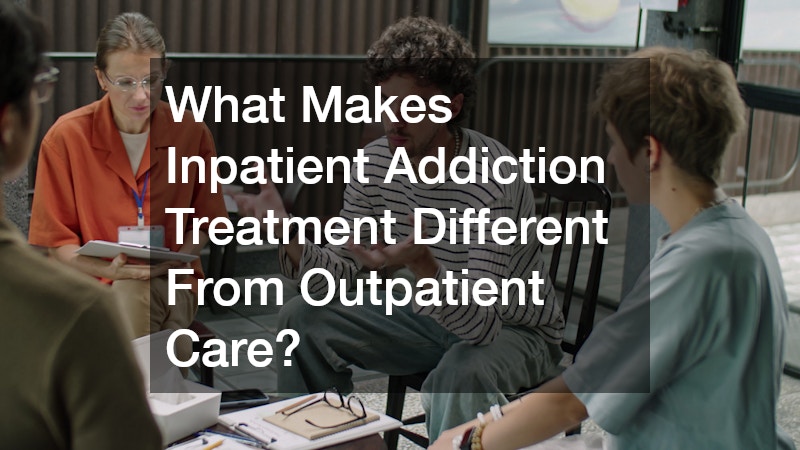
The primary difference between inpatient addiction treatment and outpatient care is the setting. Inpatient programs provide residential care and a higher degree of day-to-day structure, while outpatient programs allow individuals to live outside the treatment facility while attending scheduled services.
Neither approach is automatically better for every person. The appropriate level of care depends on individual circumstances and professional recommendations. Factors that may influence treatment decisions can include the severity of substance use, previous treatment experiences, the home environment, available support, and work or family responsibilities.
The treatment experience can also differ in terms of daily scheduling and access to support. Inpatient programs may offer more consistent structure, while outpatient care can provide greater independence. Understanding these distinctions can help individuals have more informed conversations with treatment professionals.
Transitioning Between Levels of Care
Addiction treatment does not always involve choosing a single level of care for the entire recovery process. Some individuals may begin with inpatient care and later transition to outpatient services as they become more prepared to manage recovery outside a structured environment.
This type of transition can provide an opportunity to gradually take on more independence while continuing to receive professional support. Continuing care and aftercare planning may include counseling, relapse-prevention strategies, peer support, and community resources when appropriate.
The differences between inpatient addiction treatment and outpatient care primarily involve living arrangements, structure, scheduling, and the level of support available throughout the day. Inpatient care provides a structured residential environment, while outpatient treatment offers greater flexibility for individuals who can continue living outside a treatment facility.
The right approach depends on an individual’s needs, circumstances, and professional assessment. Anyone considering treatment can speak with a qualified addiction treatment professional to discuss available levels of care and determine which options may best support their recovery goals.